Kitchen Countertops: Which Material Suits the Way You Cook
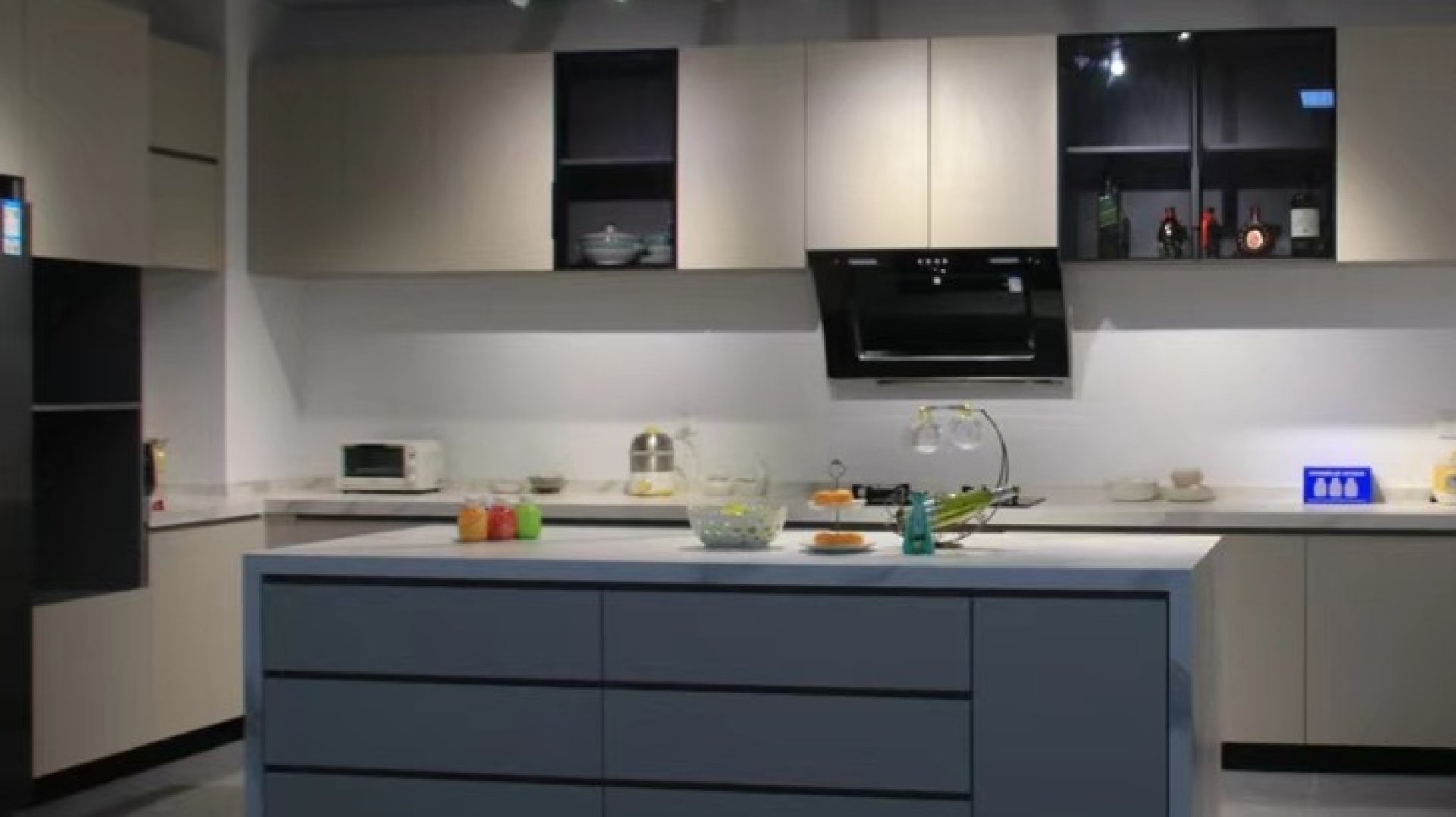
The countertop is the hardest-working surface in your kitchen. Every day it takes hot pots, water from the sink, knife edges and oil splatter. Pick a material that doesn't match how you use it, and within a few years you'll see scorch marks, stains that won't wash out, or a swollen edge around the sink.
Before looking at colours or patterns, ask yourself one question: how does your household cook? High-heat stir-frying every day, baking, or mostly reheating and making coffee? The answer rules out half the options.
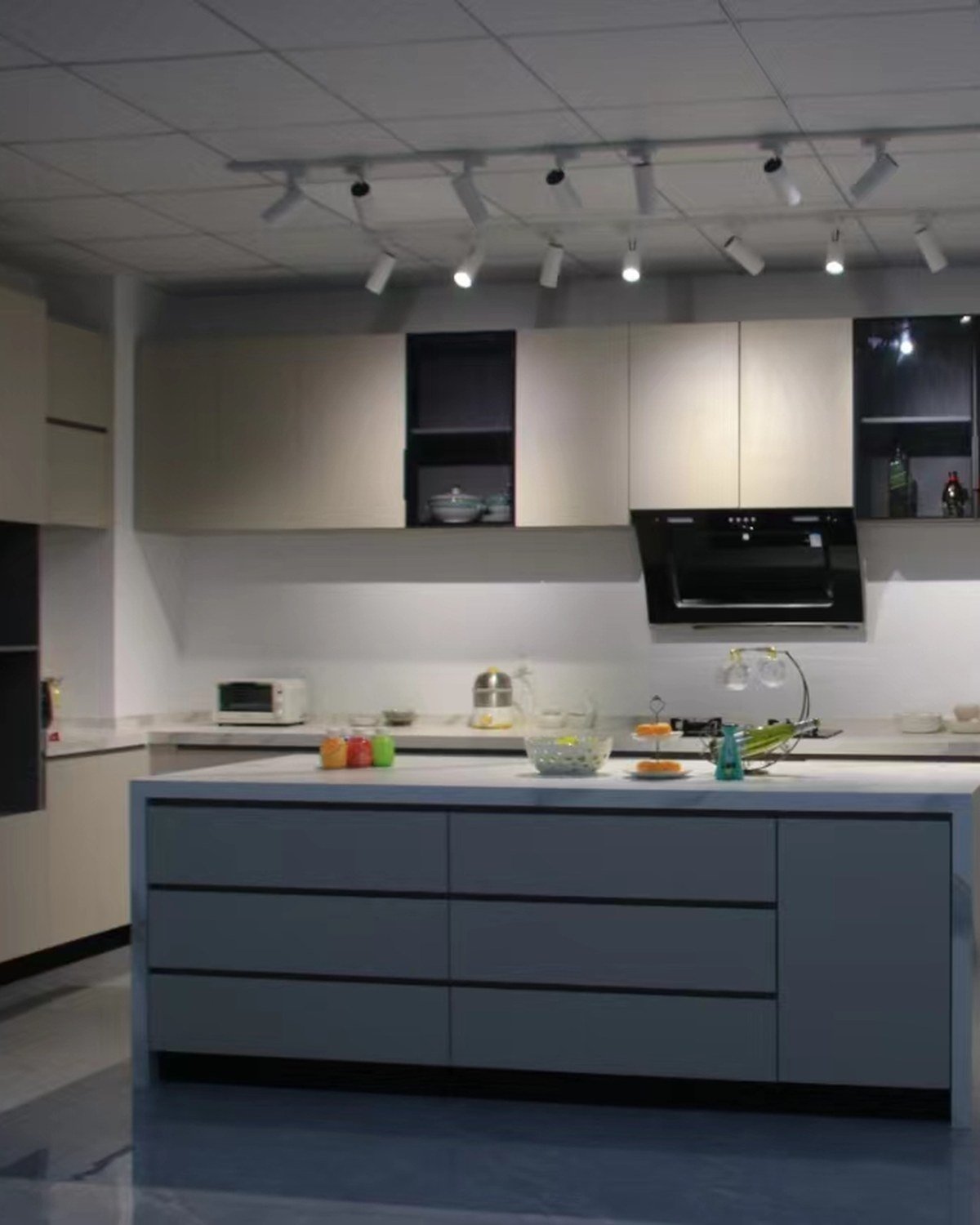
5 common materials
- Quartz (engineered stone). Quartz crystals bound with resin. Non-porous, stain-resistant, no sealing needed and easy to clean. The resin doesn't like high heat, so always use a trivet under hot pots, and avoid strong direct sun all day.
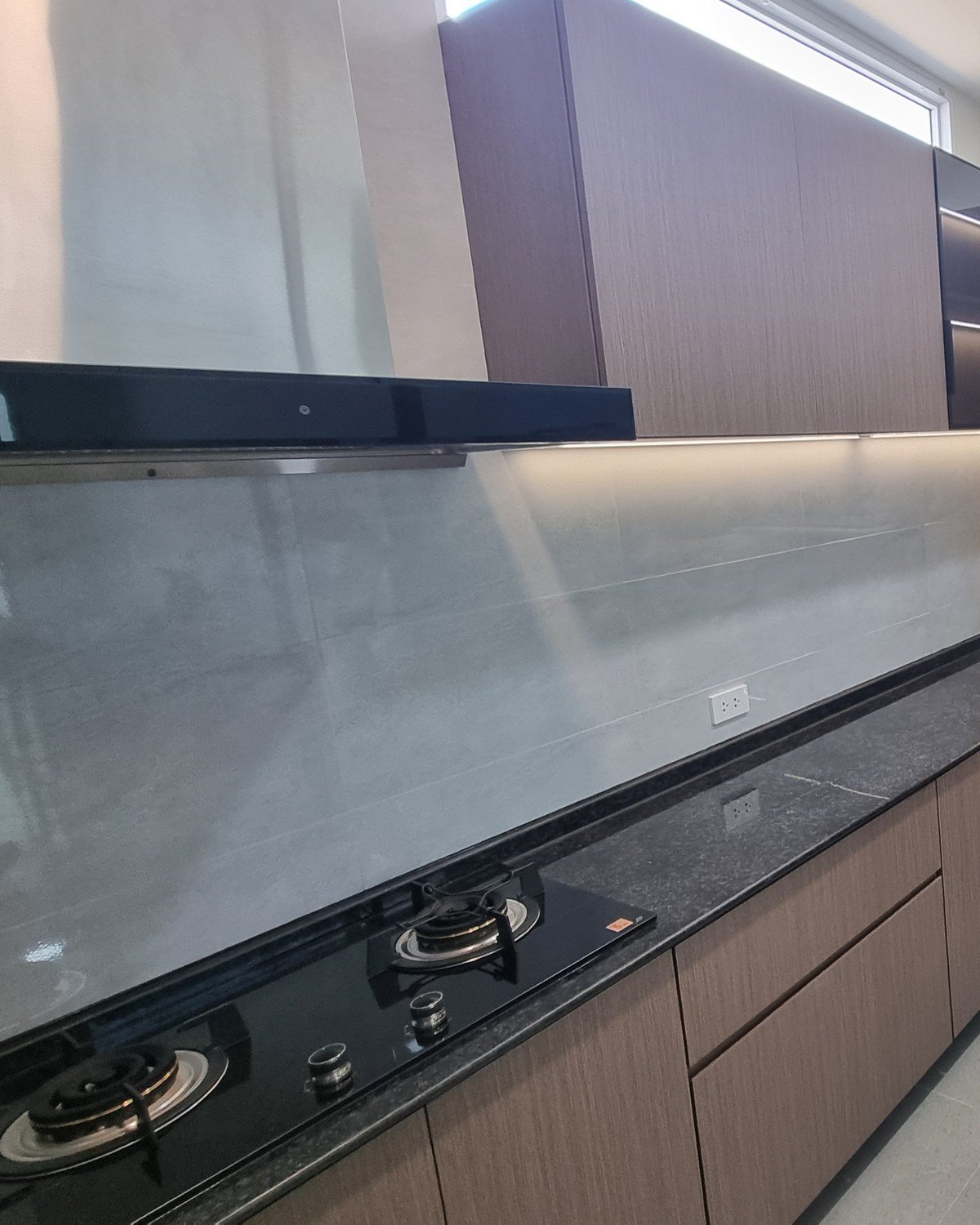
- Granite. Natural stone, hard and very heat-resistant, and no two slabs are alike. It is porous, though, so it needs resealing from time to time or oil and fish sauce can leave stains.
- Solid surface (acrylic). Joins almost invisibly and can include an integrated sink. Scratches can be sanded out, but it can't take high heat and marks more easily than stone.
- Sintered stone. Heat-, scratch- and stain-resistant and doesn't fade in sunlight, so it handles heavy use. Edges and corners can chip under a hard knock, it costs more, and it needs a skilled installer.
- Laminate (HPL). Affordable with lots of colours, but not heat-resistant, and if water gets into a joint or edge the board underneath swells. Better for dry zones such as a pantry counter or desk than next to a sink.
| Material | Heat resistance | Stain resistance | Repairable | Price level |
|---|---|---|---|---|
| Quartz | Medium | Excellent | Hard | Mid–high |
| Granite | Excellent | Good (needs sealing) | Medium | Mid |
| Solid surface | Low | Good | Excellent | Mid |
| Sintered stone | Excellent | Excellent | Hard | High |
| Laminate | Low | Medium | Hard | Budget |
A Thai kitchen and a show kitchen don't need the same top
Many homes keep a heavy kitchen at the back for frying, stir-frying and pounding, and a light kitchen inside for prep and drinks. The heavy kitchen needs heat- and scratch-resistant material such as granite or sintered stone. The light kitchen can go for quartz or solid surface for looks and easy care.
What people forget to ask when ordering
- Where are the joints? A top longer than one slab needs a joint. It shouldn't sit in front of the sink or right next to the hob.
- What's the front edge profile? A slightly rounded edge chips far less than a sharp square one.
- How are the back edge and sink sealed? Grout or silicone must be tight so water can't run into the cabinet.
- Can the base cabinets take the weight? Stone tops are heavy. The carcass must be strong and perfectly level.
Standard countertop depth is 60 cm, the same as the base cabinets (read more: The 30/45/60 depth rule).
A good top needs a good cabinet underneath
At fync, every base cabinet is built on an ENF-grade plywood carcass that holds screws firmly and carries the weight of a stone top. During the site survey we ask how your household cooks before recommending a material, then plan the joints, sink and hob positions at the design stage.
The right countertop isn't the most expensive one. It's the one that fits how you cook.
Planning a new kitchen? Book a site survey with fync or see our design and built-in services.